Jet The Globe
Travel stories, useful ideas, and a pilot's perspective on seeing more of the world.
I'm Rod Halpert, and Jet The Globe is where I share what I've learned from years on the move.
AI can be a remarkably useful travel-planning partner—if you don’t hand it the keys to the entire trip. I use it to compare options, calculate real costs, uncover potential friction, stress-test itineraries and organize ideas while keeping judgment, flexibility and spontaneity firmly in human hands. AI builds the framework. The traveler still decides what makes the trip worth taking.
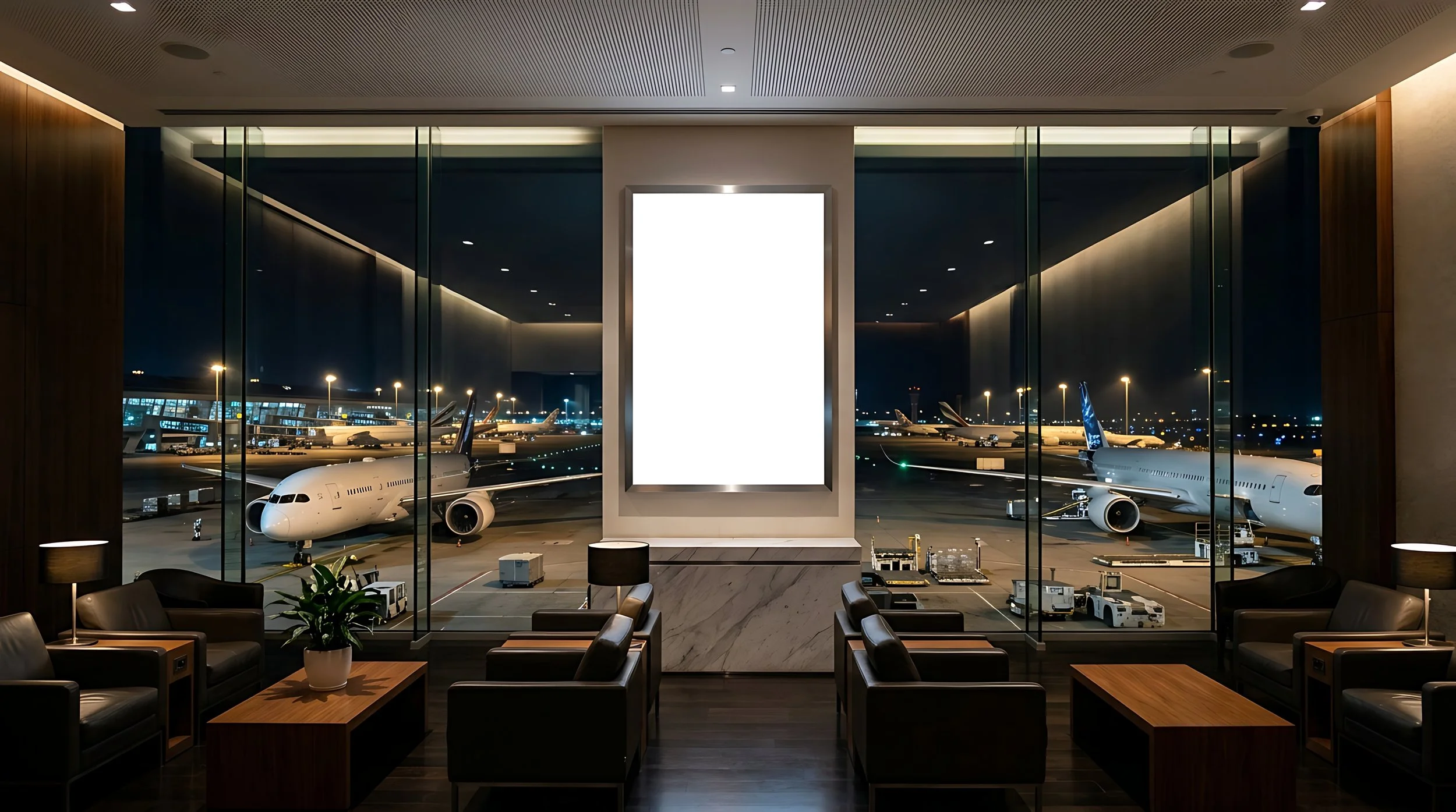
Airport lounges don’t have to be luxurious to be valuable. A convenient seat, a meal you would have bought anyway, reliable Wi-Fi, a shower or simply a quiet place to stop can make a long travel day much easier. The real question isn’t whether airport lounges are worth it—it’s whether a particular lounge solves a problem on this particular trip.
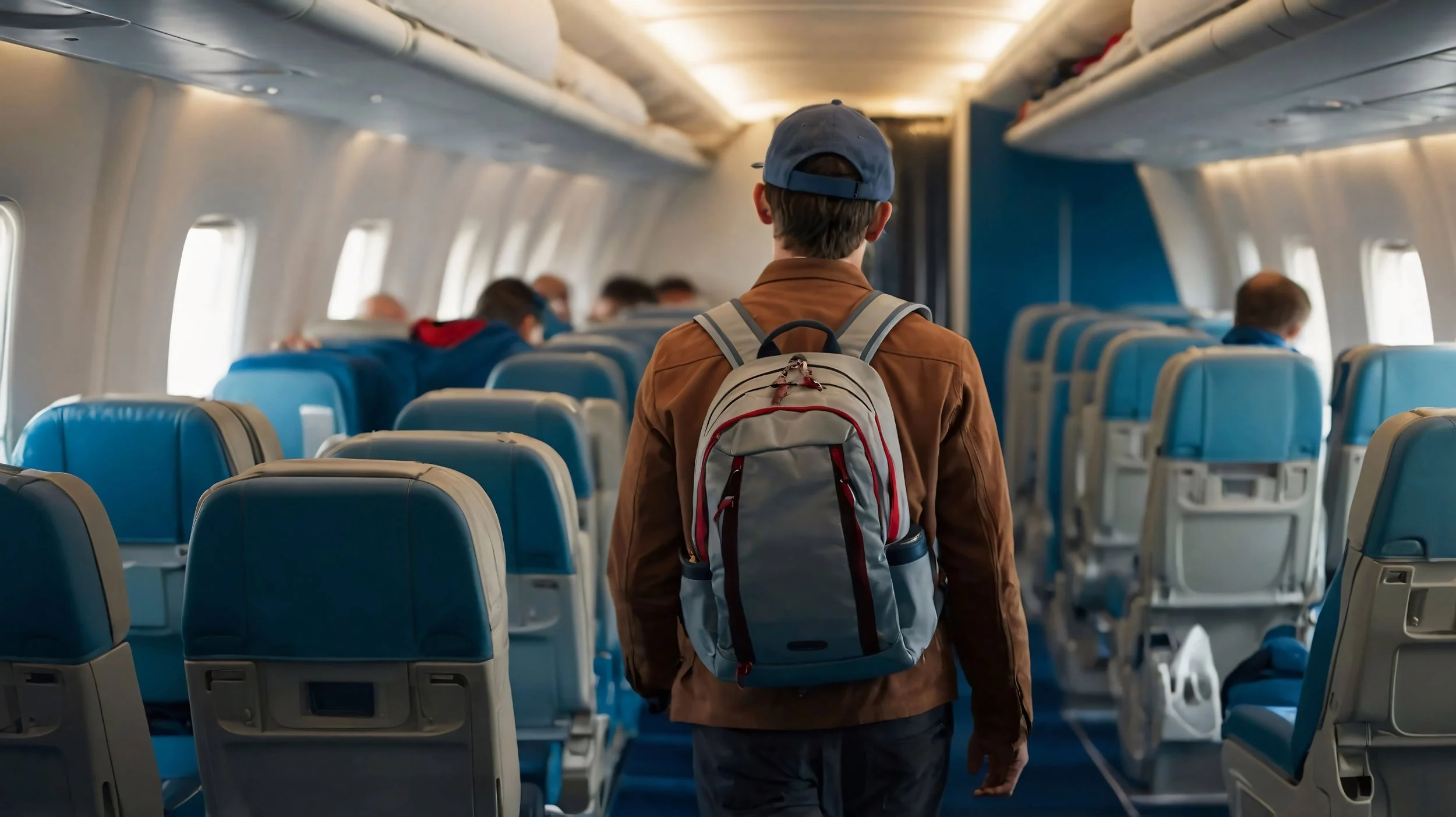
One-bag travel isn’t an all-or-nothing challenge. From a carry-on plus personal item to fitting everything under the seat, there are levels—and the smallest bag isn’t always the smartest choice. The goal is to carry what the trip actually requires while making airports, trains, hotels and changing cities easier, not to win an imaginary minimalist packing championship.
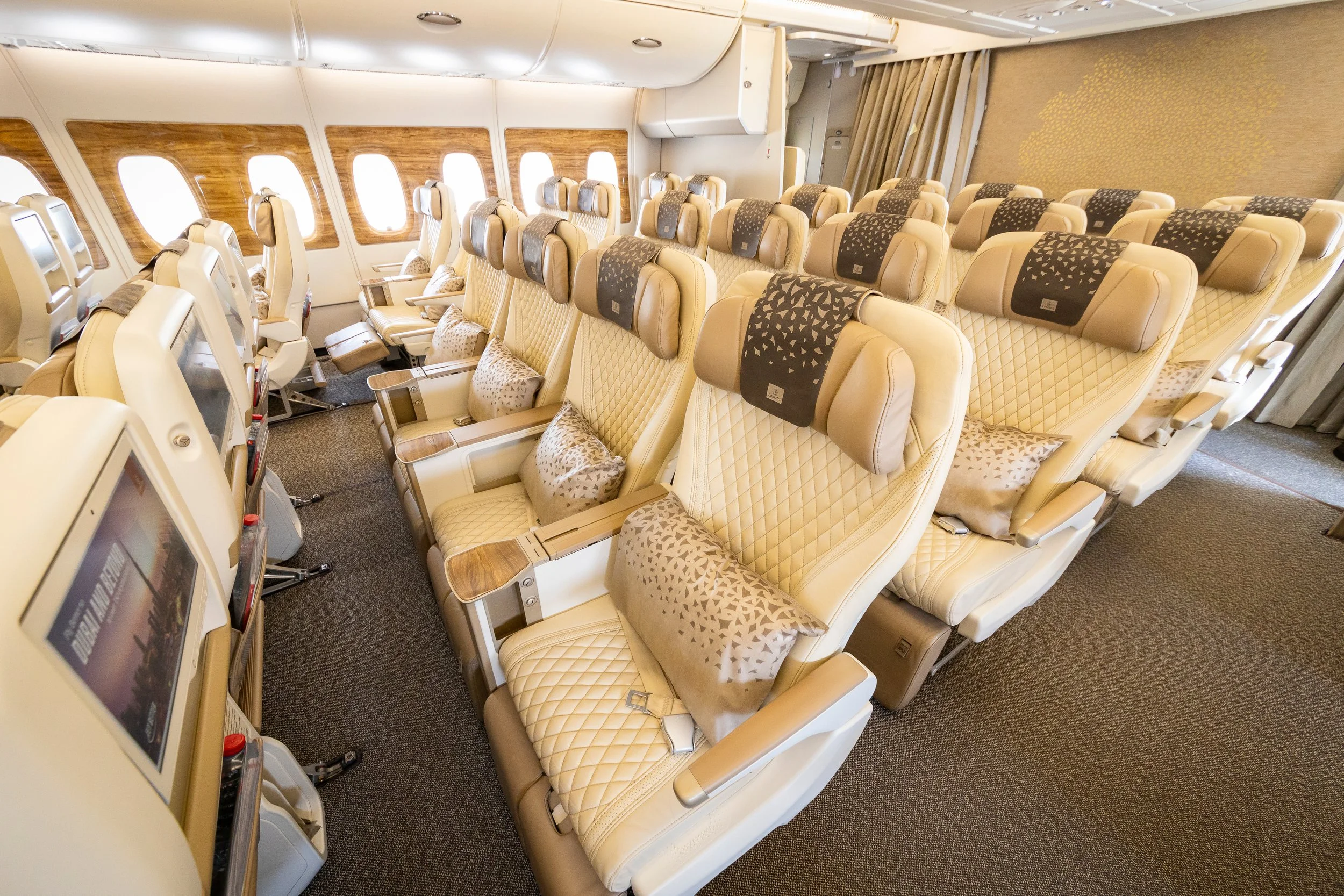
Is premium economy worth an extra $300 on a 12-hour flight? At $25 an hour, the answer depends on more than the cabin name. The seat, flight length, your ability to sleep, what you’re doing after landing and what else that $300 could buy all matter. Here’s a practical way to decide when the upgrade is worth paying for—and when economy is already doing the job.
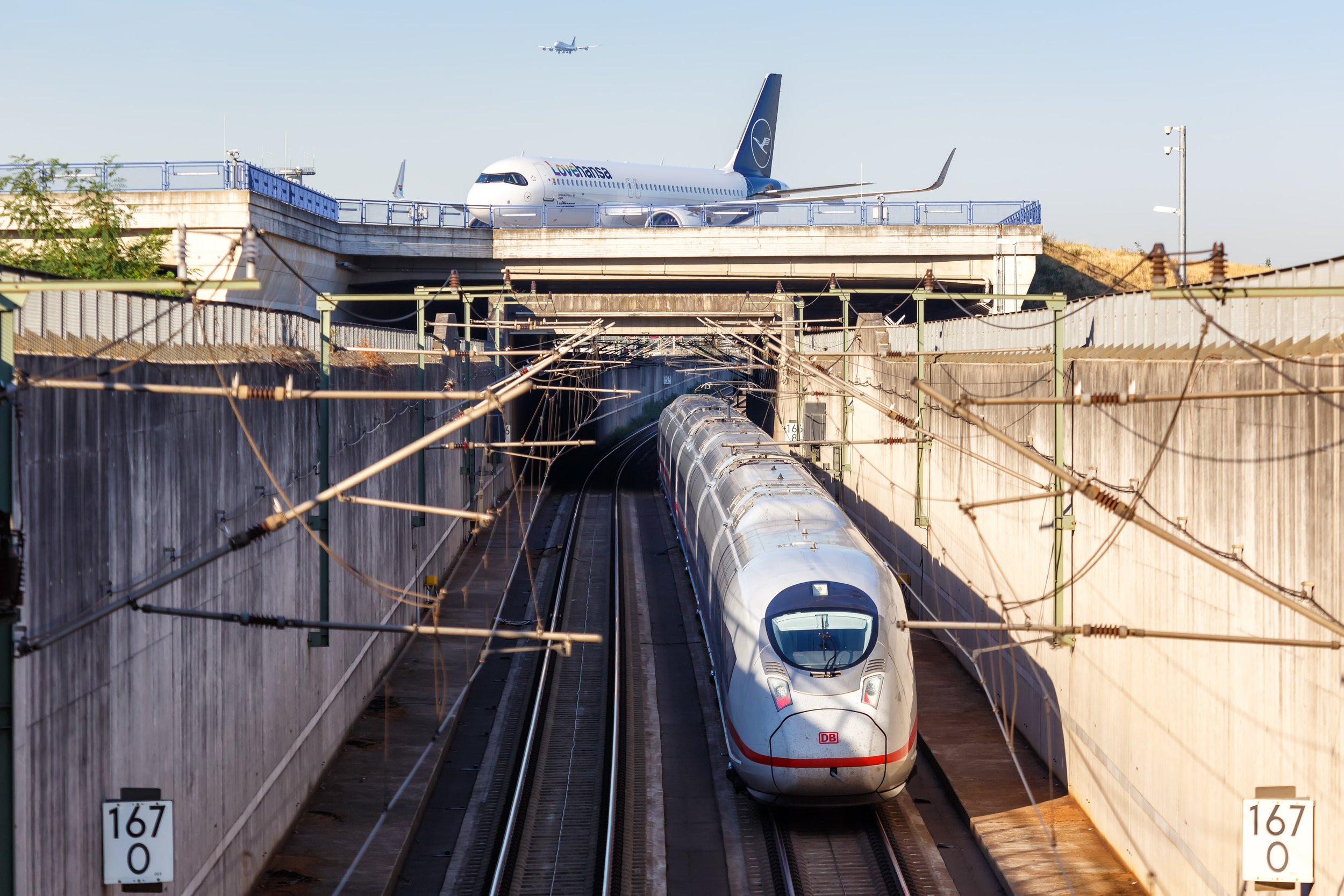
Better travel isn’t always about spending more—it’s about spending where it makes the journey easier. From airport hotels and short taxi rides to smarter hotel locations and a deliberately slow arrival day, friction-free travel means identifying the hassles you can predict and selectively removing them without paying for things that don’t improve the experience.
Travel costs money—but staying home isn’t free. Once you account for the money you would have spent anyway, the value of points and benefits, and the power of flexibility, the real cost of a trip can look very different. Here’s a better way to do the travel math—and why sometimes the surprisingly economical choice is to go.

Travel doesn’t just impact our lives. It impacts the lives of residents of our vacation destinations. Read and find out how to make an impact for good.